Ask any Nepali household what makes an evening complete, and chances are “chiya” will be part of the answer. But let’s be honest — the snack sitting next to that cup of tea often doesn’t get the same thought. Most of us reach for whatever’s in the kitchen, whether it’s stale biscuits, deep-fried leftovers, or the same packet of chips we’ve eaten a hundred times before. Over time, this habit leaves us wanting something better — snacks that are crunchy, flavorful, and don’t feel like an afterthought, but also don’t feel like a compromise on health. That’s where the search for the best healthy Nepali snacks really begins.
The good news is that Nepal has a rich snacking tradition already built around this exact need. From roasted chana to spiced bhujia and mixture dalmoth, our own kitchens and local snack makers have quietly been solving this problem for generations. This article walks through what actually makes a Nepali snack “healthy,” how to spot better options at your local store, and a few simple ways to make your daily chiya time genuinely enjoyable again — without extra effort or overthinking.
What Makes a Snack “Healthy” in the Nepali Context?
Before jumping into recommendations, it helps to define what “healthy” actually means when it comes to namkeen and Nepali snacks. It’s rarely about zero oil or zero salt — that’s not realistic or necessary for occasional snacking. Instead, look for:
- Better cooking oils — snacks made in palmolein, corn, or peanut oil blends rather than repeatedly reused oil.
- Balanced ingredients — a mix of lentils, pulses, and grains rather than snacks that are 90% refined starch.
- Portion-friendly packaging — smaller packs help avoid mindless overeating.
- No unnecessary preservatives — freshness from good manufacturing practices, not chemical shortcuts.
When you start looking at snacks through this lens, a lot of what’s sold as “namkeen” in local shops actually holds up quite well — especially traditional combinations like bhujia and dalmoth mixtures that have existed in Nepali and Nepali-Indian households for decades.
Why Repetitive Snacking Habits Happen
If your daily snack routine feels boring, you’re not alone. It usually comes down to three simple reasons:
- Convenience wins over variety. We buy what’s closest to the kirana shop counter, not what we’d actually enjoy most.
- Freshness isn’t always guaranteed. Snacks that sit too long on a shelf lose their crunch and flavor, making even good products feel disappointing.
- We don’t realize how much variety already exists. Most people default to 2–3 familiar snacks instead of exploring the wider range of mixtures, bhujia, and roasted options available locally.
The fix isn’t complicated — it’s mostly about being a little more intentional with what ends up in your snack drawer.
Simple Ways to Upgrade Your Daily Chiya-Time Snacking
1. Rotate Between Textures, Not Just Flavors
Instead of buying the same flavor of chips every week, try rotating between different textures — a crunchy bhujia one day, a mixed dalmoth the next, roasted chana or peanuts after that. This keeps snacking interesting without needing to search for anything exotic.
2. Read the Ingredient List, Not Just the Front Label
Front-of-pack marketing can be misleading. Flip the pack over and check the oil type, whether pulses and lentils are included, and how recently it was packed. A few extra seconds of reading can make a noticeable difference over time.
3. Buy Fresh, Buy Local
Locally made Nepali namkeen — produced closer to where you live — often reaches store shelves faster than snacks shipped from far away. Freshness has a direct impact on both taste and, indirectly, on quality, since well-made fresh snacks don’t need excessive preservatives to stay “shelf-stable.”
4. Pair Smartly With Your Chiya
Not every snack pairs equally well with tea. Lightly spiced, crunchy mixtures — like a traditional bhujia and beaten-rice combination — tend to complement chiya far better than very oily or overly sweet snacks, which can clash with the tea’s flavor.
A Familiar Example: Traditional Nepali Mixture Snacks
If you’ve grown up in Nepal, you’ve likely had some version of a “mixture” snack — a combination of bhujia, deep-fried beaten rice, pulses, and nimki, brought together with a blend of spices. This style of snack has stayed popular for a simple reason: it naturally balances crunch, protein from pulses, and just enough spice to keep things interesting, without being one-note like a single-flavor chip.
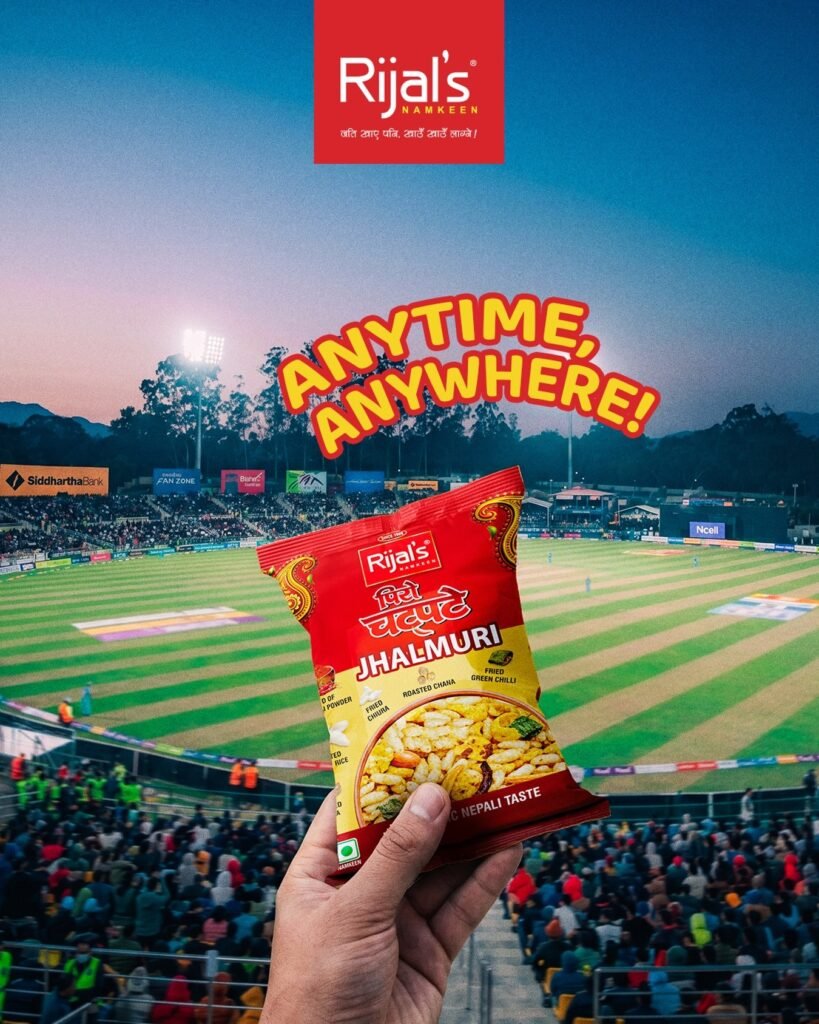
This is also where brands like Rijal’s Namkeen, based in Chitwan, fit into the picture. Their Top-10 Mixture Dalmoth follows this same traditional format — bhujia, deep-fried beaten rice, pulses, and nimki with a balanced spice blend — made fresh and sold as an everyday snack-time option rather than an occasional treat. It’s a good example of how a familiar, home-style snack format can be picked up ready-made without losing the qualities that made it a household favorite in the first place.
The point here isn’t that one specific mixture is “the” answer — it’s that this style of snacking (varied textures, real ingredients, freshly made) is exactly what tends to check the boxes people are looking for when they search for healthier, more satisfying options.
Quick Checklist Before Your Next Snack Run
Next time you’re picking up snacks for the week, run through this quick list:
- Does it use a reasonable cooking oil?
- Does it include pulses, lentils, or grains — not just fried starch?
- Is the pack date recent?
- Does the size suit how much you’ll actually eat in one sitting?
- Does it pair well with tea, or is it better suited to a meal?
A minute of thinking through these questions can turn snack shopping from a habit into a slightly more informed choice.
Finding the best healthy Nepali snacks
Finding the best healthy Nepali snacks isn’t about giving up namkeen or switching to bland, joyless alternatives. It’s about paying a little more attention to what’s already available — rotating textures, checking freshness, and leaning into traditional combinations like mixture dalmoth and bhujia that were designed to be both satisfying and reasonably balanced.
Chiya time doesn’t need to be repetitive or an afterthought. With a bit of variety and a slightly more informed eye on what you’re picking up at the store, your everyday tea break can go back to being something you look forward to — one crunchy, well-paired snack at a time.
If you’re curious to see what a traditional Nepali mixture snack looks like today, it’s worth taking a look at best healthy nepali snacks options like Rijal’s Namkeen range the next time you’re restocking your snack shelf.